
Aminoglycosides (AGs) are important antibacterial agents used for the treatment of various infections in humans and animals, although they are seldom the sole treatment option.
In veterinary medicine, AGs are used to treat a wide range of bacterial and protozoal infections in aquaculture, livestock and poultry. Evaluation of risk factors indicates that the probability of transmission of AG resistance from animals to humans through the transfer of zoonotic or commensal food-borne bacteria and/or their mobile genetic elements can be regarded as high.
Specific examples of AGs include Streptomycin, used to treat bacterial diseases in cattle, pigs, sheep and poultry, and Neomycin, used to treat bacterial gastrointestinal infections in sheep, pigs, cattle, goats and poultry. Extensive use of Streptomycin and Neomycin has been associated with the development of resistant strains of bacteria.
Regulatory limits strictly control the use of AGs, with Maximum Residue Limits (MRLs) defined in Commission Regulation (EU) 37/2010 for individual aminoglycoside compounds across a range of food-producing species.
MRLs have been established in muscle, kidney, liver, milk and fat/skin. Some AGs are subject to provisions under Article 14(7) of Regulation (EC) No 470/2009, which prevent the substance from being used in animals where the milk is intended for human consumption. Apramycin is one such example. Fera can provide the evidence required by regulators to verify that aminoglycoside levels within your food products are compliant.
This test screens for the presence of Apramycin, Dihydrostreptomycin, Gentamicin, Kanamycin, Neomycin, Paromomycin, Spectinomycin and Streptomycin. Fera can screen a wide range of sample types, including but not limited to muscle (cattle), kidney (cattle, pig, sheep), fish, milk and milk powder, shellfish and honey.
The analytical method used at Fera is based on sample extraction and testing carried out using liquid chromatography–tandem mass spectrometry (LC–MS/MS).
Fera’s food safety experts use established, accredited analytical testing methods to detect and quantify aminoglycoside residues within your food samples. We provide the evidence required by regulators to verify that levels of aminoglycoside residues within your food products are compliant.
Our analytical methods are validated in accordance with the principles set out in Commission Decision 2002/657/EC and accredited to ISO/IEC 17025 by the United Kingdom Accreditation Service (UKAS).
Please contact us to discuss volume discounts.
| Detail | Specification |
|---|---|
| Standard Turnaround Time | 10 working days |
| Method Used | LC-MS/MS |
| Accreditation | ISO 17025 |
You may also be interested in
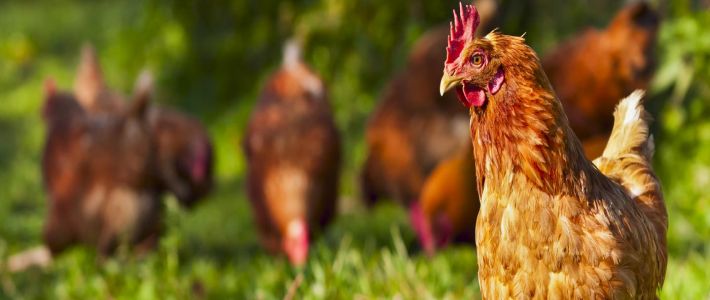 ChloramphenicolFera’s food safety experts can accurately identify Chloramphenicol within your food sample, and quantify the amount present. Chloramphenicol glucuronide can also be sought in selected tissues within your sample.
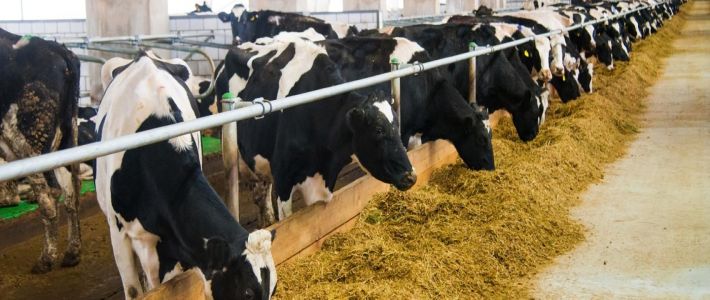 NitrofuransFera food safety experts are ideally suited to highlight and quantify a range of Nitrofurans within your food sample. Making use of extensive, industry accepted techniques our accurate results are invaluable when meeting regulations.
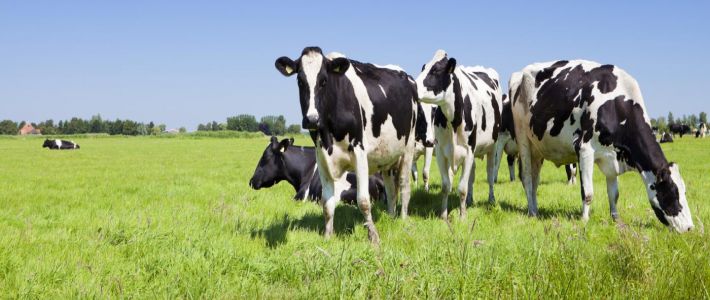 Florfenicol
Fera food safety experts make use of innovative testing methods to highlight the levels of florfenicol and its major metabolites, within your food samples. We can also provide the evidence required by regulators to verify that the levels of Florfenicol within your food products are compliant.
Aminoglycosides
Add Samples
| Your Ref | Type | Qty | Expected Arrival | Origin | Added | Surcharge | |
|---|---|---|---|---|---|---|---|
| 654 | Honey | 200 g | 26 Aug 2026 | Benin | 18 Aug 2026 | £0.00 | |
| kjhyukyuik | Fish | 200 g | 26 Aug 2026 | Albania | 12 Aug 2026 | £0.00 | |
| kjhyukyuik | Fish | 200 g | 26 Aug 2026 | Albania | 12 Aug 2026 | £0.00 | |
| kjhyukyuik | Fish | 200 g | 26 Aug 2026 | Albania | 12 Aug 2026 | £0.00 | |
| kjhyukyuik | Fish | 200 g | 26 Aug 2026 | Albania | 12 Aug 2026 | £0.00 | |
| kjhyukyuik | Fish | 200 g | 26 Aug 2026 | Albania | 12 Aug 2026 | £0.00 | |
| kjhyukyuik | Fish | 200 g | 26 Aug 2026 | Albania | 12 Aug 2026 | £0.00 | |
| kjhyukyuik | Fish | 200 g | 26 Aug 2026 | Albania | 12 Aug 2026 | £0.00 | |
| kjhyukyuik | Fish | 200 g | 26 Aug 2026 | Albania | 12 Aug 2026 | £0.00 | |
| kjhyukyuik | Fish | 200 g | 26 Aug 2026 | Albania | 12 Aug 2026 | £0.00 |
Your Current Samples
Please review your sample(s). Additional sample charges may apply where applicable.
There are no samples associated with this product at this time