Chloe Cragg

Circular Yorkshire Month 2020

Fera Science Ltd has been working in collaboration with the York and North Yorkshire Local Enterprise Partnership (LEP), all of our region’s local authorities and partner organisations region-wide to develop a plan to reshape the region’s economy in order to address the challenges and opportunities arising from the pandemic. Our shared vision is that the region will emerge greener, fairer and stronger as a direct result of the economic reshaping plan.

Read more

SOFHT Online Session - Reducing the Risk of Food Fraud


How is food fraud evolving and what should you do?

Criminals are getting smarter using new methods and technologies to exploit global food supply chains, risking permanent damage to food and beverage brands. In this live webinar discover:

Online session agenda:

  • Food fraud today, the impact of a pandemic such as Coronavirus/ COVID 19
  • Case studies - real life food fraud
  • Scale and impact: the challenges of global supply chains
  • Emerging trends and threats
  • New criminal activity supporting fraud 
  • Preventing food fraud (you can’t but you can make it more difficult and unappealing)
  • Live Q&A

Sessions:

  1. Overview of food fraud
  2. Techniques to detect food fraud
  3. Emerging at risk products

Cost: £25 (Members), £50 (Non-members), £15 (Students) all plus VAT per delegate

Time: 9.30am - 12.00pm

Platform: Microsoft Teams

A certificate of attendance is included in the price


Meet the Fera presenters
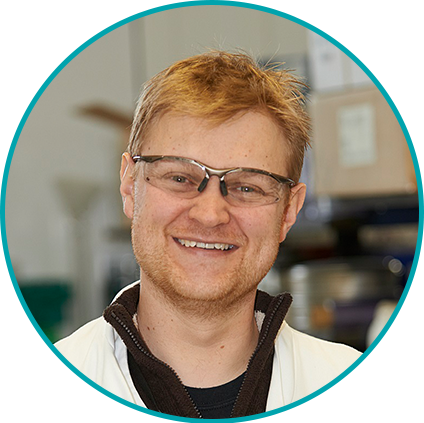


Dr James Donarski holds joint positions as the head of food authenticity at Fera Science and a senior lecturer in the field of chemistry at Newcastle University.

James has published over 20 peer-reviewed articles including guidelines for building food authenticity databases. He is a member of the European Committee for Standardization (CEN) technical committee 460 – Food Authenticity, where he acts as a national expert in the field of food authentication. 
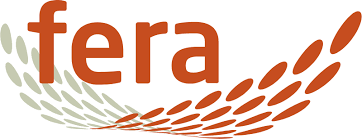


Dr Adrian Charlton BSc, PhD is a principal scientist and biochemist at Fera Science with over 20 years of post-doctoral experience and 60+ peer reviewed publications.

Adrian’s expertise relates to the control and regulation of adulterants, contaminants and allergens that threaten a sustainable food supply chain.Representing UK and international governments in relation to food safety, quality and authenticity, Adrian advises bodies including UN-FAO, WHO, EU, EFSA, CEN and ISO. Adrian also chairs the UK Bee Products Committee working closely with BSI, developing the technical aspects of the Food Assurance Kitemark.


 

Has the debate on gene editing missed the question?

A recent amendment to the UK Agricultural Bill, tabled by the All-Party Parliamentary Group on Science and Technology in Agriculture and backed by a cohort of leading UK research institutes, proposed the acceptance of gene edited (GE) crops and livestock in UK agriculture – ultimately in UK produced food.

Read more

Join the digital Fera Science Ltd & IAFRI 2020 Science Symposium

"Sustainable Food Production in Uncertain Times"

17th, 18th & 19th November 2020 - Online Conference


Scientists from Fera and Newcastle University will discuss their current research in the context of recent national and global challenges; sharing knowledge and innovation to promote collaboration and exchange of ideas. Through oral presentations, poster sessions and sandpits, there will be opportunities to examine how we can respond to demands in sustainable agriculture and food production, with consideration to recent government Bills in the agri-food-environment and the National Food Strategy.

Keynote speakers have been confirmed for sessions in food, farming, environment and chemicals; with specific reference to the challenges of 2021 and beyond.

The event will be opened by David Kennedy (Defra DG Food, Farming and Biosecurity) and features guest speakers Richard Bramley (Farmer Scientist Network) David Hill (The Environment Bank) Sue Davies (Which?), Guy Pengelley (Milltrust), Dave Bench (Crop Protection Association) and will be closed with a keynote address and student prizes awarded by Prof Gideon Henderson.

To confirm your attendance to join our FREE virtual event please register using the links below for any, or all of the AM and PM sessions over the three days. Please note, you must register for AM and PM session separately.

AM sessions PM sessions

Tuesday 17th November Sandpit – AMR: https://fera.zoom.us/j/92741347821?pwd=bGs3S2JLaHBTOW5HQWcxVFB4UjJndz09

Wednesday 18th November Poster Session: https://fera.zoom.us/j/92769666694?pwd=MkRlc0liOERuNm4xVzl2ZW8rL0Z0UT09

Thursday 19th November Sandpit - Measuring Biodiversity: https://fera.zoom.us/j/94714356653?pwd=ZE5hYVRrQzlQbm9OSkhEQ21tYUlSUT09


Bio-based packaging needs rigorous testing to avoid a new food safety threat

In recent years, the media has highlighted multiple examples of food being contaminated by what we call ‘food contact materials’ (FCMs). This definition includes packaging or any materials that can come into contact with food during its life cycle. Examples of contamination include bisphenol A and phthalates from plastic packaging and containers, primary aromatic amines from nylon kitchenware and formaldehyde from melamine kitchenware.

Read more

Grapevine trunk disease - how would I know if my vine is fine?

Grapevines can be affected by one or more GTDs at the same time, for example two of the common diseases on young vines (less than five years old) known as Petri Disease and Black foot can both result in overall stunting, delayed bud break, shortened internodes, yellowing or chlorotic foliage with brown or necrotic margins and wilting of leaves or entire shoots.

Read more

1 2 3 4 5 ... 7 Next Page