Leading translational science and research organisation, Fera Science Ltd, has released a new infographic detailing its plant metabolism study capabilities. The infographic, which provides information on the types of studies and the organisation’s experience in the sector, is available to download from the Fera Science website.
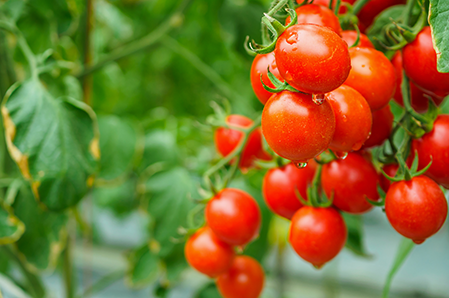
This year’s event will be taking place on Thursday 26th September at The Chesford Grange in Warwickshire. Fera’s Plant Clinic experts will be on hand to discuss our comprehensive range of tomato testing.
Anna Skelton, a Virologist at Fera Science, will be speaking at the event on the results so far for the AHDB project 'Tomato brown rugose fruit virus: Survival and disinfection'.
The aim of the conference is to reassure consumers that growers in the UK are using natural methods that are both complementary to the product and the environment.
Join us at the British Tomato Conference and see how we can help you...
Fera's Plant Clinic
Our crop testing and molecular facilities deliver expert diagnostics on a range of plant issues from all over the world. We have extensive expertise in the fields of bacterial, fungal, viral, insect and nematode identification.
Tomato Virus Diagnosis Screening
There are over 100 tomato viruses affecting crops worldwide. These can result in significant challenges to crop quality and yield. Symptoms can include a range of mosaic patterns on leaves, stunted growth in some cases and discoloured fruit.
Pospiviroid seed testing package (1500 seeds)
Viroids belonging to the genus Pospiviroid can cause severe symptoms in solanaceous crops including tomato and pepper, however, they often show no or only very mild symptoms in several solanaceous ornamental species.
The Great British Brain Drain was a major reason for the creation of the economic north-south divide, which found many university cities losing their graduates to London, especially high achievers.
The Scientific Advisory Committees advise on the development of policy issues that have major implications for public health and ensure that policy decisions are based on the most up-to-date science and evidence. The committees consist of a multidisciplinary team of distinguished experts with outstanding international reputations to ensure that the right science is being used, from the right sources, and that every scientific dimension is being looked at.
Mites are small, typically around 0.5mm and are translucent, making it difficult to detect especially at the early stages of infestation when numbers are low. They can survive for months under adverse conditions in cracks in floor and walls, and in processing and packaging machinery.
The use of environmental DNA (eDNA) is gaining in popularity and profile, partly driven by technological advances, partly by the urgent requirement for measuring natural habits for indigenous and alien species using diagnostic tools and the steeply rising importance of such measurements for environmental stewardship. This is mirrored by the rapid rise in scientific publications citing “environmental DNA” (see figure), and the recent launch of a scientific journal Environmental DNA.
Manuka honey is derived from bees that forage on the Manuka bush (Leptospermum scoparium) and has been demonstrated to exhibit significant non-peroxide antimicrobial activity (NPA). This antimicrobial activity is in addition to the peroxide activity found in honeys that contain glucose
oxidase and is thought to be unique to Manuka honey. The sum of the peroxide activity and the non-peroxide activity is known as the total activity (TA).
The key to using innovation grants and research and development (R&D) tax credits together is careful planning. They are not mutually exclusive but their relationship can be complicated. So, getting an expert on your side is the best way to optimise your future position.
The Ministry of Municipality & Environmental (MME) has recently created a Food Security Department with the aim to enhance food security in Qatar, by focusing on increasing fresh local food production in vegetables, fish, milk and meat.
A research paper has been published which estimates that ash dieback is set to cost the UK £15 billion and is expected to kill 95-99% of ash trees in Britain.