Louis Sterling

Wasp new to science found during biosecurity workshop in Montserrat

Invasive alien species are a major cause of biodiversity loss globally and their impacts are often most severe on island ecosystems, including many of the UK Overseas Territories (UKOTs).

For 12 years, Fera Science has been providing an identification service for invasive invertebrate plant pests, biosecurity advice and training for the UKOTs. One example was a workshop to help strengthen biosecurity and protect agriculture and natural environments in Montserrat held in November 2019.  

The project was organised by Chris Malumphy (Fera), Jill Key (GB Non-Native Species Secretariat), and the Government of Montserrat with financial support from the UK Government Conflict, Stability and Security Fund. An article providing more details of the results of the workshop can be found here.
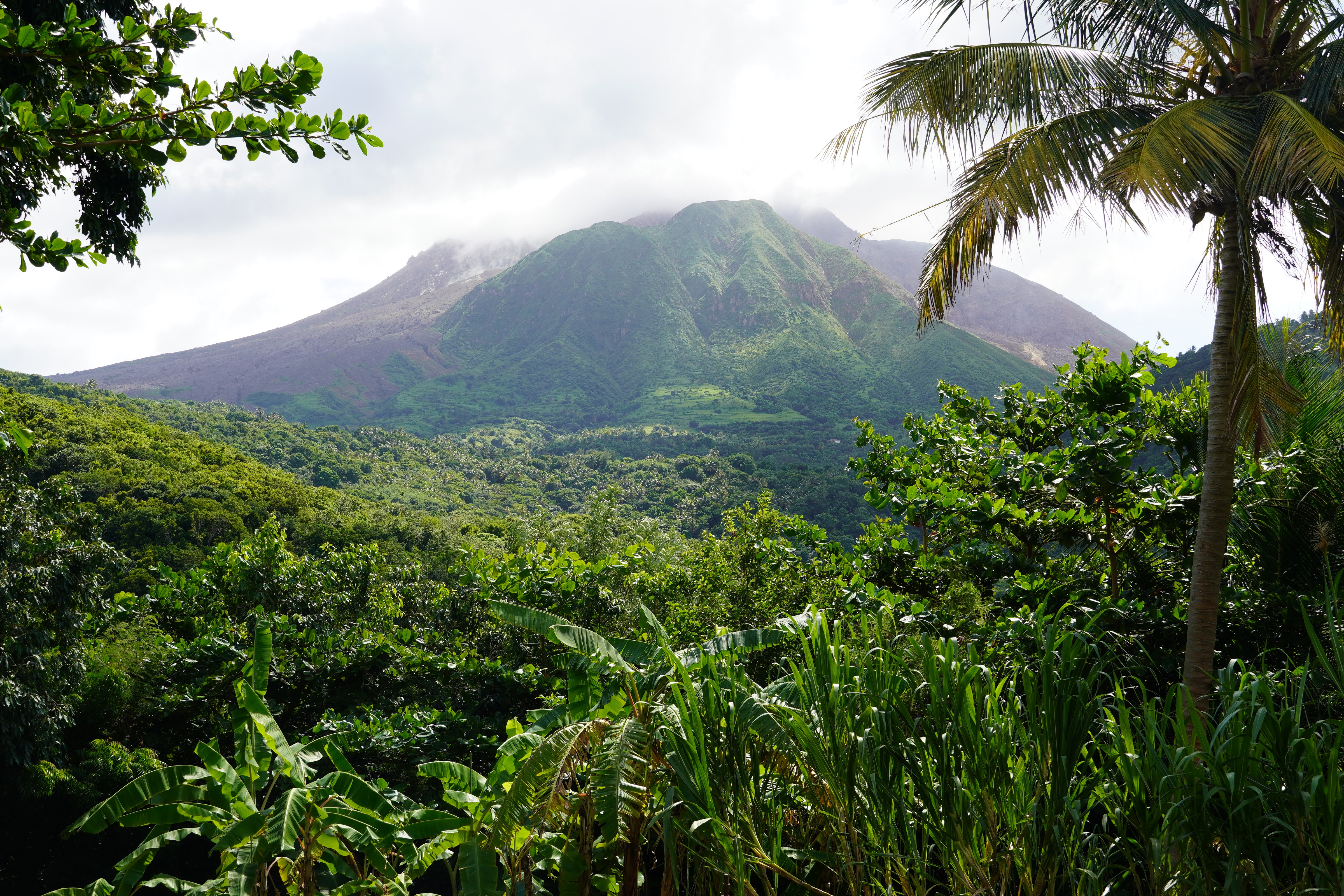


Lush, verdant vegetation in Montserrat


Field work

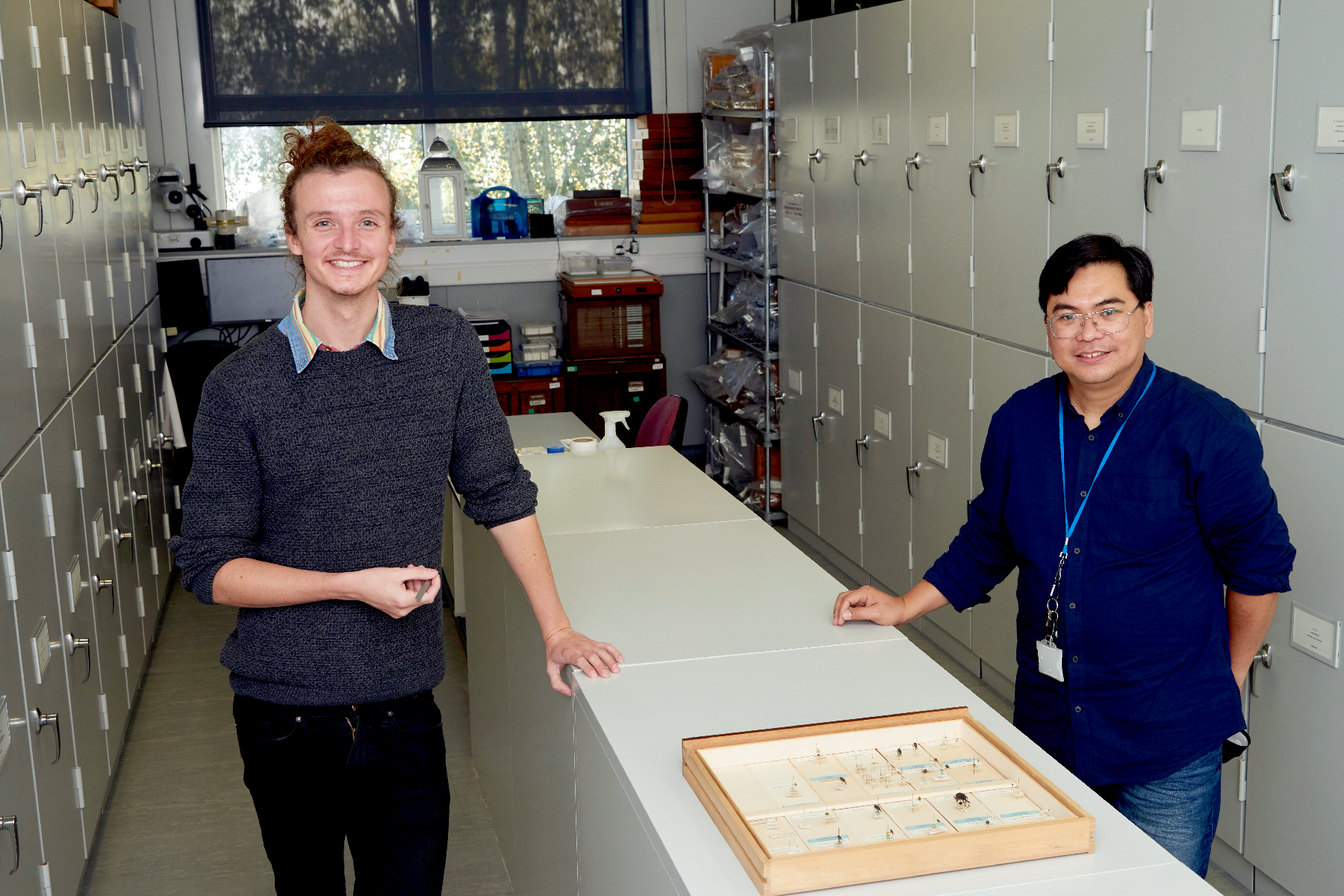
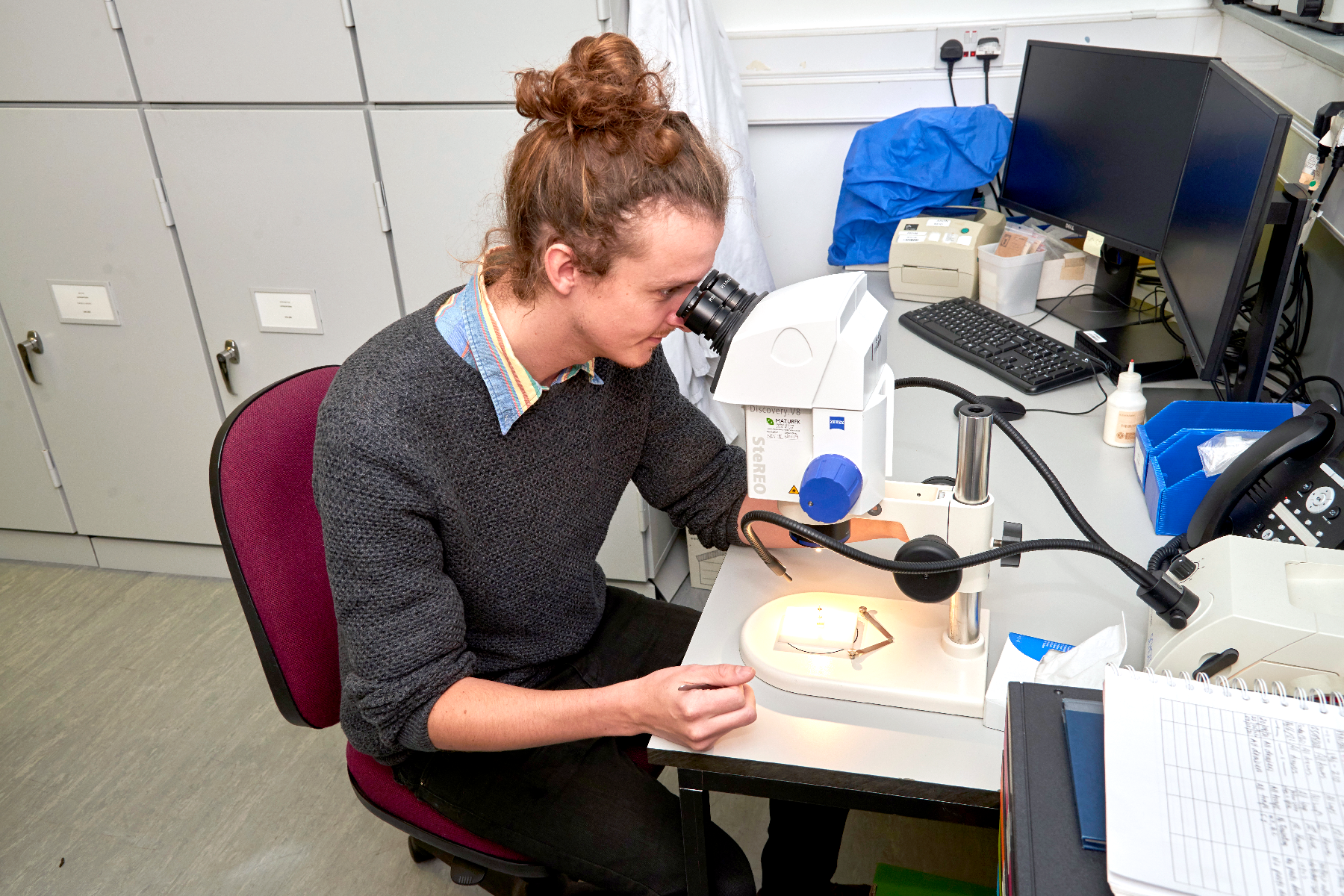
An essential part of the workshop was field work to see the pests in life, and more than 150 invertebrate species were recorded. One of these was a striking wasp with a bright yellow body, black eyes, and smoky wings, collected by Elvis Gerard, an extension worker in Montserrat. Samples were returned to Fera for identification, where Entomologist Rob Deady (Fera) identified the wasp to genus and recognised it as something new. He sent the wasp to Ilgoo Kang at the Louisiana State University Agricultural Center, who was studying this group.
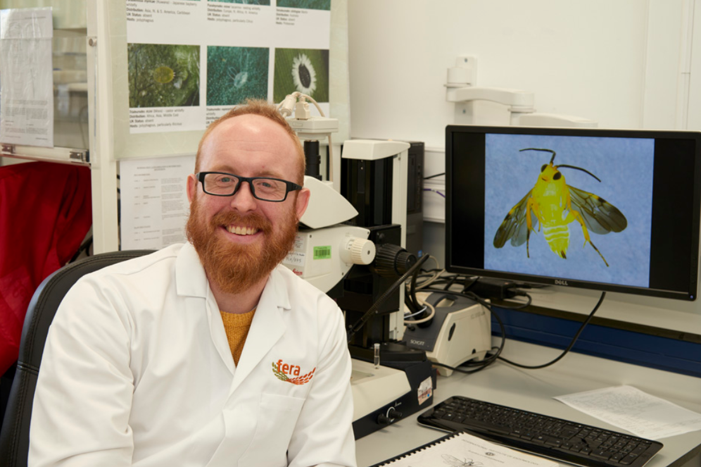


Rob Deady recognised the wasp as new to science


Ilgoo described the new species as Schoenlandella montserratensis, named after the island where it was discovered. The full description can be found here.
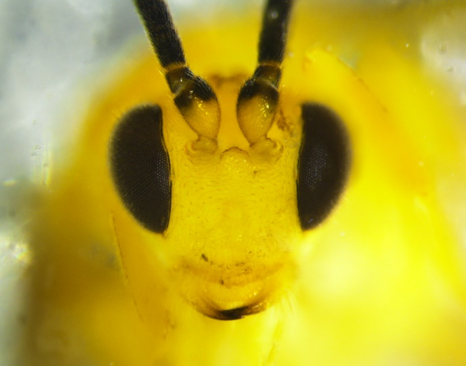
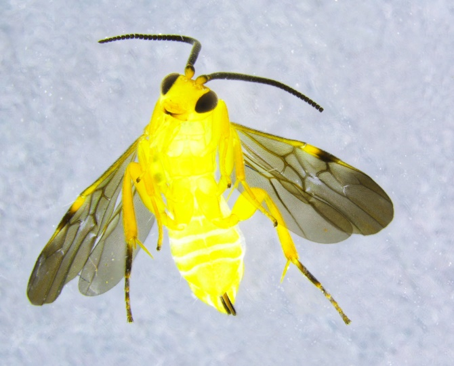
 

A potentially beneficial wasp

The new wasp is a parasitoid and adult females lay their eggs on caterpillar hosts. The eggs hatch and the wasp larva develop inside the living caterpillar body, before killing it. Many species of parasitoid wasp have been used for the biocontrol of agricultural pests, helping to manage the pest and reducing the use of pesticides. The new wasp was found in association with melonworm moth caterpillars feeding on a bitter gourd crop. The new wasp, following further research, has the potential to be used to manage this important agricultural pest.
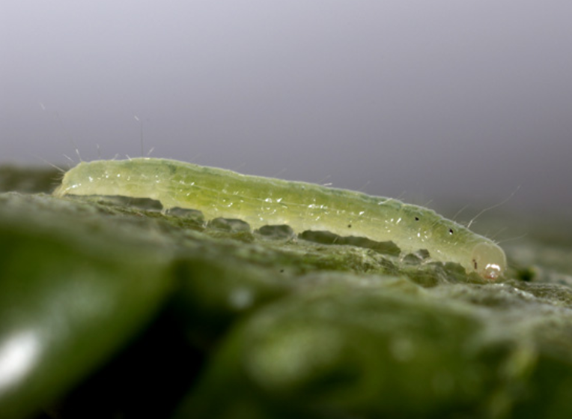
Melonworm moth caterpillar – a major pest in the Caribbean


To learn more about the research and biosecurity support that Fera Science continues to provide for the UK Overseas Territories, you can visit the GB Non-native Species Secretariat (NNSS) website here. Or to find out more about the full breadth of our Crop Health diagnostics capability, you can click here to find out more.

Or alternatively, click here to visit our insect identification service. 


Yellow Spotted Stink Bug Intercepted in England

Just before Christmas, a large adult stink bug — so named because they emit a foul smell when feeling threatened — was found in the North of England associated with a consignment of wood imported from China. It was identified by the University of Durham as the yellow spotted stink bug (Erthesina fullo) and this was confirmed at Fera.

This hitchhiker is native to Asia and feeds on more than 57 different plant species, including several economically important fruit crops grown in the UK, such as apple, cherry, peach, and pear. The bugs suck out the plant juices with their needle-like mouthparts but are harmless to humans.

The potential risk posed by this invasive bug to plant health in England and Wales is being assessed by Defra and will be added the UK Plant Health Risk Register.  The bug does not occur in the UK and any suspected findings must be reported to the relevant authority. The related brown marmorated stink bug (Halyomorpha halys), also native to Asia, has recently become a major economic pest in parts of southern and central Europe.


Yellow spotted stink bugs are a pest of apple


Protecting plant health in England and Wales

Fera provides a plant pest and disease diagnostic service that supports Defra in safeguarding plant health in England and Wales for the benefit of people, economy, and environment, by preventing the introduction of harmful pests. To learn more about UK Plant Health, you can visit the Defra UK Plant Health Portal here, and to find out about the full breadth of our Crop Health diagnostics capability, you can click here.


Adult Yellow spotted stink bugs range in size from 18-23 mm in length

and are larger than any other shield bug found in Britain


Click here to view or download our ‘Whole Food System’ Science Strategy.


Links

Fera Scientists Support Ascension Island against Invasive Ants

Ascension Island is a remote volcanic outpost in the South Atlantic Ocean and a UK Overseas Territory (UKOT) located midway between Angola and Brazil.

While the island and its surrounding waters are rich with biodiversity – serving as a critical stopping place for migratory species – the biodiversity and ecological systems on Ascension Island are threatened by invasive alien species, with ants being one of the most harmful groups.

The introduction of invasive ants has resulted in the decline of birds, land crabs, and other invertebrates in many tropical and subtropical island ecosystems.

Back in October, Adam Sharp – Ascension Island Invertebrate Project Officer – visited Fera Science to receive training from Noel Tawatao on conducting ant survey’s before heading off for a two- and a half-year placement.

Noel also made him some special equipment (that resemble giant socks) for extracting ants from soil and leaf litter. Adam will be submitting samples of ants to Fera Science for identification – where we will provide advice on risks and biosecurity.

If this Defra funded pilot study is successful, it may be extended to other UKOTs in the future.

To learn more about the research and biosecurity support that Fera Science continues to provide for the UK Overseas Territories, you can visit the GB Non-native Species Secretariat (NNSS) website here. Or to find out more about the full breadth of our Crop Health diagnostics capability, you can click here to find out more.

Click here to view or download our ‘Whole Food System’ Science Strategy.