Vanessa Tsang

Food Safety Analysis 2018

Building on the success of Food Science 2016, the dates for Food Safety Analysis 2018 are announced as 27-28 November, 2018 at the world-class scientific venue, Biopolis, Singapore. For the 2018 event, Separation Science is pleased to confirm that Dr Bert Popping joins the event as Conference Chairman and Scientific Programme Advisor.

This 2018 regional event will attract international thought leaders, with confirmed participants including Emma Bradley.


View Emma Bradley's Profile


The conference is a two-day event and will cover the broad range of current topics and trends, as well as expanding the scientific poster programme and providing a first-class exhibition and networking opportunity. The technical programme will focus on key disciplines within food safety and testing techniques, providing attendees with a unique opportunity to keep ahead of current and future techniques.

  • Veterinary drug residues / antimicrobials
  • Food contact materials
  • Fraud & authenticity
  • Foodborne contaminants
  • Pesticides and agricultural contminants
  • Toxins & allergens
  • Pathogens
  • and more...


Click here for more information and to register for this event.


Food Integrity

Food Integrity

With increasing globalisation, our food supply chains are becoming increasingly complex, making them vulnerable to contamination or fraud.

Fera Food Testing

Fera Food Testing

With a large range of testing abilities, our multi-disciplinary approach gives an overall view of any food issue you may be facing, providing you with the complete information you need to make the strong decisions needed to address these issues.

HorizonScan From Fera

HorizonScan from Fera

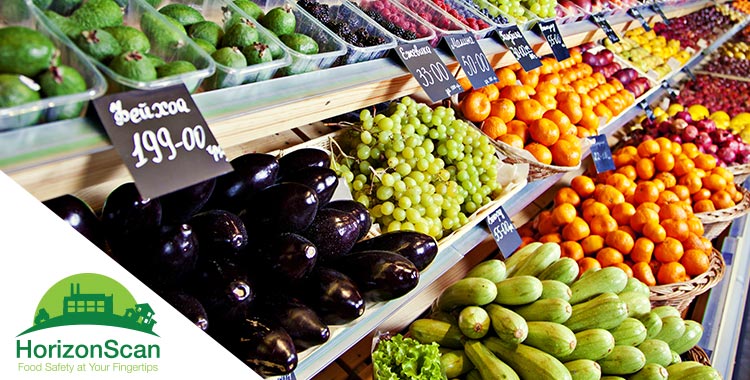
HorizonScan enables you to conduct top-line risk mitigating investigations and be alerted to food safety issues very quickly.

RSC 5th Analytical Biosciences Early Career Researcher Meeting 2018

RSC logo

The meeting is open to everyone, and aims to engage early career researchers in debate and discussions about all areas of analytical biosciences, and provide the opportunity to network with other researchers in the field.

Plenary speakers will begin each session with an exciting founding perspective and vision of a technique, followed by peer-reviewed papers from early career researchers. Together, this will provide an overview of current research into new technologies and applications.

The aim is to give delegates a broad overview of the current state of the art for analytical techniques, with detailed examples of their applications in biosciences. As such, each contribution will aim to demonstrate the quality and value of each methodology.


Click here for more information
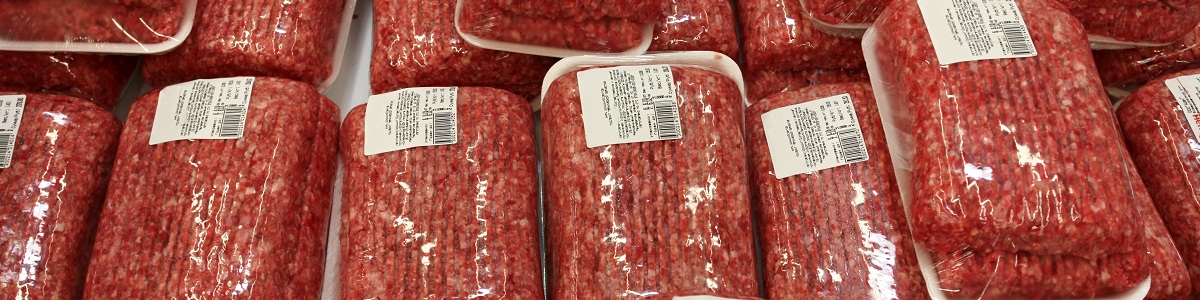

meat in packaging

Dr Adrian J. Charlton will be giving a talk on Finding the needle in the haystack: Targeted and non-targeted detection of food contaminants and adulterants, March 22nd, 11.55-12.40

In the era of the discerning consumer, attitudes toward food choice have changed markedly from the need to provide basic nutrition to the desire to make informed choices relating to food intake. Whilst the organoleptic properties of food are doubtless a major factor for continued consumer preference, it is also clear that initial choices are often made on the basis of promotional labelling. A product label may declare the contents to be “Halal beef, aged for 21 days that is free from allergens”. How can we tell if the premium price we pay is for no more than the ink used to create the extra words on the label?

Consumer preferences are leading to the provision of greater product choice and associated elevated pricing for “premium” products, providing an incentive for economic food fraud. In the scientific communities, an extensive phase of evidence gathering is being undertaken in relation to food composition and associated labelling. Work at the Fera is being driven by a desire to fully understand the composition of food and its implications with respect to consumer choice, public health and value for money. Large bodies of data are being collected and interpreted against specific claims relating to quality, safety, authenticity and increasingly sustainability.

In this context, this presentation provides an insight into the current state-of-the-art for the broad ranging compositional analysis of food and the highly complex data this generates.


View Adrian Charlton's Profile


Wine Authenticity

Wine Authenticity

Fera strives to support the needs of the global wine industry from vineyard to wine glass. Accurate and reliable testing solutions to ensure quality in every glass from soil health, disease management to detection and testing including proficiency tests.

Authenticity

Authenticity

With the food industry increasingly subject to scrutiny, testing to ensure compliance with food safety regulations to protect public health and support traceability is a must.

HorizonScan From Fera

HorizonScan from Fera

HorizonScan is a database of global raw material and commodity issues covering all areas of food integrity.

Africa Food Safety Workshop, 4-8 June, South Africa

To Promote Standards, Reliable Methods of Analysis and Interinstitutional Cooperation, for better Control of Mycotoxins and Related Contaminants.

The workshop will incorporate presentations and discussions with International Experts on:

  • Mycotoxin standards, methods of analysis and control
  • Veterinary drugs and pesticide residues
  • Food microbiology including linkage to antimicrobial use, residues and resistance
  • Food traceability and authenticity

Visit the nimsa.org website for more information on:

  • Workshop registration
  • Call for oral and poster presentation abstract submissions
  • Venue and accommodation details
  • Sponsorship & exhibition opportunities


nimsa.org


Vahid Mojtahed is speaking on Friday 8 June 2018 at 9am on Food Fraud Early Warning Systems


Vahid Mojtahed Profile


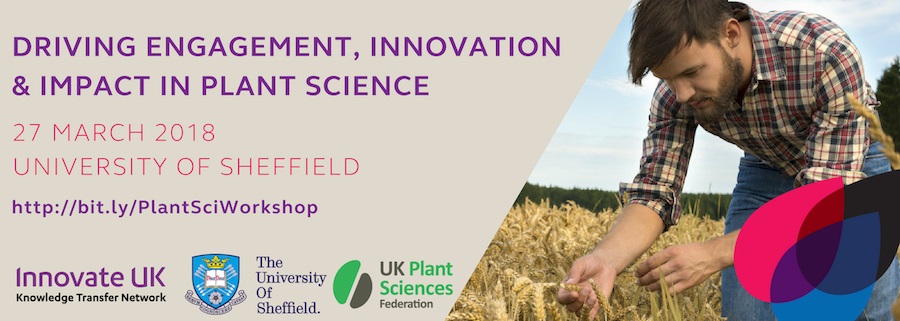
Driving Engagement, Innovation and Impact in Plant Science

Plant science plays a crucial role in many of the challenges facing the modern world including food security, environmental sustainability and climate change.

Through the development of innovative solutions, plant science can help drive productivity and sustainability across the bioeconomy. Yet if these novel solutions are going to be adopted, scientists need to develop technologies that are both fit-for-purpose in the real world and that are accepted by the public. To achieve this, we need to develop better interdisciplinary approaches, so we can properly understand the needs and motivations of end-users (consumers, public and private organisations) and multiple stakeholders.

KTN, working in partnership with the University of Sheffield and the UK Plant Science Federation (UK PSF), is organising an event on “Driving engagement, innovation and impact in plant science” on 27th March in Sheffield. The aim of this event is to begin to explore these interdisciplinary approaches and map out how most effectively to engage with the public and consumers, and take into account interests of various stakeholders.

This interactive workshop will bring together plant scientists, growers and producers, food manufacturing companies, social researchers and innovators to explore novel approaches and learning from other sectors, and thus facilitate more effective co-design, knowledge exchange and public understanding.

The event will cover impact studies of Social Science in action in plant science and will include a “Question Time Panel” and debates on key topics of plant science.

KTN will also be launching its pre-competitive R&D vision for the agricultural sector at the event, which includes specific chapters relating to “Improving social awareness and proliferation of required skills”.


Click here for more information


Rick Mumford the Director of Science here at Fera Science Ltd will be speaking at this event.

Rick Mumford's Profile


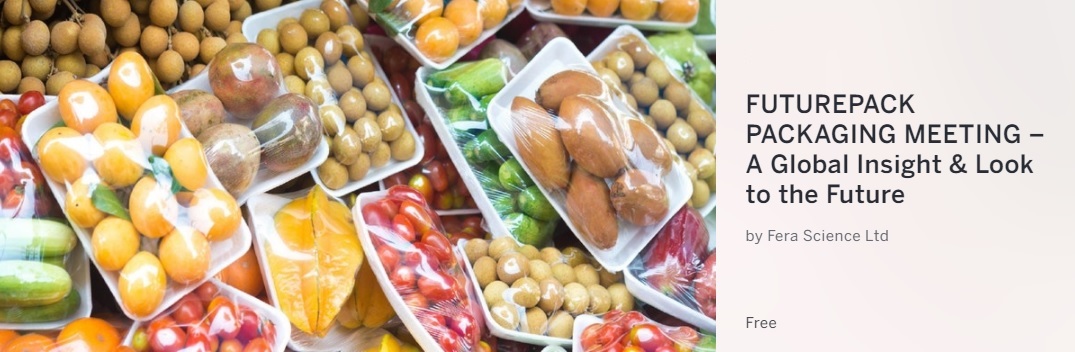
FUTUREPACK PACKAGING MEETING – An Insight & Look to the Future

The last several years have seen many changes in the packaging supply chain. Consolidation on every level – suppliers, distributors, customers – has led to an increasingly competitive market. Data from Smithers Pira forecasts steady growth across the packaging industry: a market valued at $839 billion in 2015 will increase at 3.5% year-on-year and reach a total value of $997 billion in 2020. As this happens sustainability will become an increasingly important factor for decision makers at all stages of packaging value chains.


Provisional Agenda


Book your place now


FuturePack Packaging 2018 reunites Food Packaging Manufacturers, Retailers, Processors, Suppliers and Academia from around the UK for an unmissable morning of sharing best practice, lessons learned, detection & prevention methods. FuturePack Packaging 2018 takes place on the 23rd March at National Agri-Food Innovation Campus.

Fera Science Ltd (Fera) and Newcastle University invites you to join us for the next FuturePack 2018 meeting. Our symposium will be discussing the common challenges the packaging supply chain industry face, training updates as well as a great networking opportunity.

We’ve been busy

Last year we held several meetings under the FuturePack banner with the aim of promoting developments in packaging training and research. One output from of these meetings was the start of the development of the Packaging Technologist Degree Apprenticeship programme, managed by the National Skills Academy Food and Drink with packaging industry input. Subsequently and partly as a result of the FuturePack meetings I am very pleased to be able to advise you of further developments, new postgraduate training and CPD opportunities provided by Newcastle University and Fera Science Limited with funding for PhD studentships through the Institute for Agri-Food Research and Innovation (IAFRI) in areas such as sustainable packaging and smart labels as an outcome.


Provisional Agenda


Book your place now


Objectives for the Symposium

  • Greater understanding of recent and planned developments in training, research and commercial services to support the packaging supply chain industries
  • Update on current issues, considerations of next steps for stronger future strategies to support further growth of the sector
  • Networking and development of a community with a packaging focus that is visibly addressing current issues e.g. sustainability
  • Assisting businesses to secure funding for innovation and development
  • Identification of future research and training needs of the packaging supply chain industries
  • Promotion of the IAFRI partnership (great opportunity to feed into Fera / IAFRI responsiveness to current issues and support for the agri-food sector)

Provisional Agenda

1. Packaging Training Update: An overview of programme aims, structure, content, delivery methods and assessment strategies

  • Packaging Technologist Graduate Apprenticeship Programme (National Skills Academy Food & Drink)
  • Food Packaging postgraduate certificate (PG Cert) and workshops for continuing professional development (NU)
  • Future Developments in packaging training – postgraduate diploma (PgDip) and Masters (MSc) in food and non-food areas
  • Participation - opportunities for Industry in training programme development, review and delivery, provision of student placements and internships.

2. Food Innovation & Packaging Technology at the NAFIC

  • The FIPT Centre
  • The IAFRI partnership and support for packaging research
  • Overview of current and proposed research (NU/IAFRI)
  • National Reference Laboratory and services available to industry
  • Supporting regional SMEs – the SIAFS project

3. Strategic Development for Packaging

  • Access to funding and other support for industry (The KTN, the FIN, Innovate UK, LEP etc)
  • Responding to industry needs and current challenges in packaging – next steps.

2018 Speakers include:

Ioana Lock –> view profile


The horse meat scandal five years on – what’s changed

The horse meat scandal affected countries across Europe, sparked public outrage, resulted in a series of product recalls and exposed significant flaws in Europe’s food supply chain. Regulators and industry took action and there’s now a stricter food testing regime across Europe and many initiatives are underway to ensure this sort of incident doesn’t reoccur.

Read more

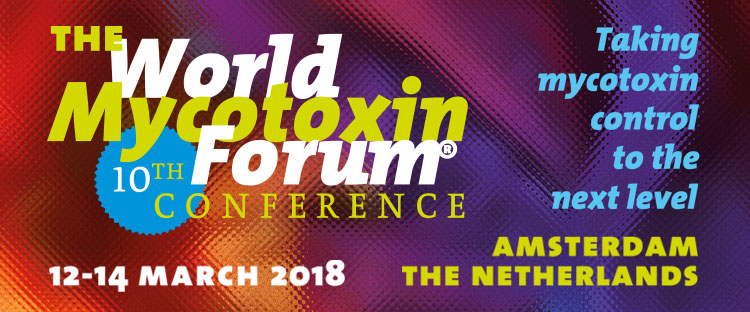
The World Mycotoxin Forum – 10th conference, 12 - 14 March 2018, Amsterdam, Netherlands

The World Mycotoxin Forum is the leading international meeting series on mycotoxins where food and feed industry representatives meet with people from universities and governments from around the world.

The mycotoxin contamination of various crops and derived products is a global concern because it has significant implications for food and feed safety, food security, and international trade. Despite a lot of research and available interventions, mycotoxin prevention and control remain a challenge for agriculture, and for food and feed industries. Several pre- and post-harvest measures can be taken in tackling mycotoxin exposure, however, they are not fully adequate to eliminate mycotoxins from the food and feed supply chain. In addition, climate change is increasingly affecting the occurrence of mycotoxins worldwide.

Can we ever have a mycotoxin-free supply chain? The 10th conference of The World Mycotoxin Forum aims to contribute to this ultimate goal by taking mycotoxin control to the next level. The conference will offer an excellent way to network, share ideas, and formulate recommendations and conclusions on how to close knowledge gaps.

The 10th conference of The World Mycotoxin Forum includes:

  • presentations and discussions in plenary meetings and parallel sessions
  • poster sessions
  • company pitches covering a wide range of topics
  • workshops and demonstrations
  • a concurrent instrument/manufacturers exhibition providing information on equipment, products, and services.

High-quality speakers, ample time for discussions, and every opportunity to establish rewarding contacts are values The World Mycotoxin Forum wants to uphold. The General Conference Chairs – Prof.dr. Rudolf Krska and Hans van Egmond, M.Sc. – and the members of the Advisory Committee are looking forward to meeting you.


For more information click here:

The World Mycotoxin Forum 2018 information


Our scientist Susan McDonald is presenting a poster there:

View the Poster


Susan MacDonald Profile

Susan MacDonald Profile

Susan has extensive experience in the area of mycotoxins analysis using a range of methods but mostly HPLC (high-performance liquid chromatography) and GCMS (gas chromatography–mass spectrometry).

Mycotoxins NRL

Mycotoxins NRL

Fera is the UK National Reference Laboratory for Mycotoxins in Food. Fera has extensive knowledge in the analysis of mycotoxins in food, feed and food crops.

Mycotoxins Fapas Proficiency Testing

Mycotoxins Fapas Proficiency Testing

View the Mycotoxins proficiency tests that are available from Fapas.