
Blackleg and soft rots pose a serious threat to British potato production and vigilance is required to prevent its introduction and spread.
Bacterial soft rot is known to cause a greater loss of produce than any other known bacterial disease. It can cause heavy losses in stored potatoes if not properly managed. This in turn can provide significant financial implications if not managed correctly.
Fera's plant experts can quickly determine the average tuber inoculum load of soft rotting bacteria in your sample.
More Information
A number of bacterial pathogens are capable of causing rots of potato tubers, most importantly during storage of the crop. The pathogen found most frequently in the UK is Pectobacterium carotovorum , but Pectobacterium atrosepticum and Dickeya species may also be involved.Tuber rotting can also develop following infection by the quarantine organisms Ralstonia solanacearum (brown rot) and Clavibacter michiganensis subsp. sepedonicus (ring rot). The majority of growers will, hopefully, never see either of these diseases, but should be aware of their symptoms.
Please contact us to discuss volume discounts.
| Detail | Specification |
|---|---|
| Standard Turnaround Time | 10 working days |
| Parameters tested | Bacterial |
| Method Used | Bacterial Isolations |
| Accreditation | None |
| Type of Test | Bacterial |
You may also be interested in
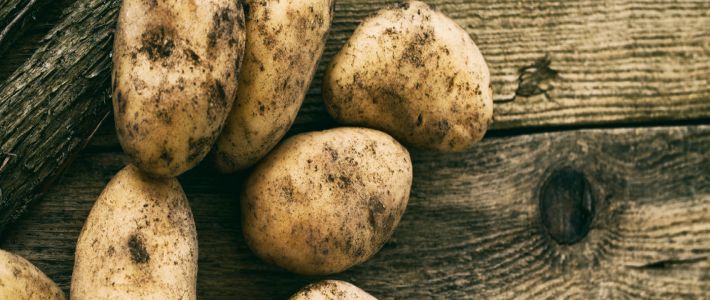 Potato brown rot & ring rot (Official EU Protocol) - Ralstonia solanacearum & Clavibacter sepedonicusThis test is to detect the presence of Ring Rot and Brown Rot in potato tubers.
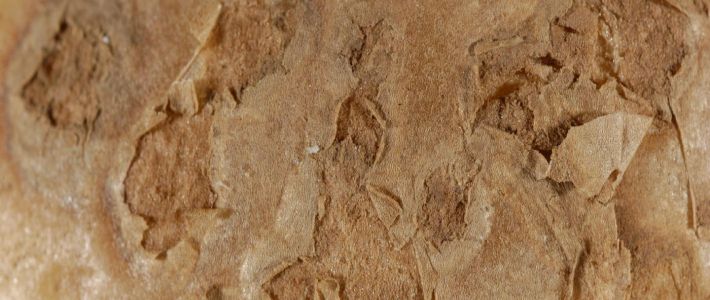 Scab testing: powdery (<em>Spongospora</em>) & common (<em>Streptomyces</em>)Powdery and Common scab are both potato blemish diseases that cause unsightly scab-like lesions on the tubers which may in turn result in the tubers being rejected or downgraded.
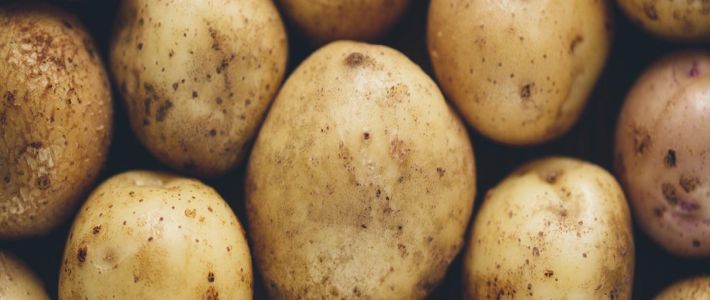 Rapid direct tuber test for virus in Potato (PVY)This rapid direct tuber test includes Potato virus Y (PVY) as standard.
Further viruses are available for an additional fee. These are Potato leaf roll virus (PLRV) and potato viruses PVA, PVV and PVX.
Soft Rotting Bacteria (average tuber inoculum load) (100 tubers)
Add Samples
| Your Ref | Type | Qty | Expected Arrival | Origin | Added | Surcharge | |
|---|---|---|---|---|---|---|---|
| Russel Challenger | Potato Tubers | 100 tubers | 13 Jan 2024 | United Kingdom | 12 Jan 2024 | £0.00 |
Your Current Samples
Please review your sample(s). Additional sample charges may apply where applicable.
There are no samples associated with this product at this time