
Using reversed phase HPLC coupled with a refractive index detector Fera’s food safety experts can analyse your honey, alcoholic or soft drinks, fruit juice or fruit juice concentrate samples to determine the total sugar content. The total sugar content is the sum of the individual sugars glucose, sucrose and fructose.
Glucose and fructose are naturally present in grapes. There can be small mounts of these residual sugars found in wine after the fermentation process. Sucrose is not a natural constituent of grapes and therefore, if detected in wine, could be a indication of chaptalisation
Wine adulteration methods are usually employed for chaptilisation purposes, that is; artificially increasing the alcohol content of a beverage. This can be used as a time and cost saving exercise against regular fermentation processes, and is known as a common wine adulteration tactic. Feras effective technologies and analysis techniques can highlight the presence of chaptilisation, and sugar addition within your sample.
When labelling food and drinks, sugar is often referred to as either ‘free sugars’ or ‘total sugars’. Free sugars are sugars which are added by the manufacturers but can also be the sugars which are found naturally in honey, alcoholic drinks like wine, and fruit juice. Free sugars are the ones that need to be eaten less of. The total sugars value given on food labels includes all sugars, ie those naturally present and those added.
An important reason for analysing fruit juices, wine and honey for their total sugar content is to combat adulteration. If fruit juices have been analysed in detail it is possible to compare composition tables, variation from these tables can indicate adulteration has taken place. The sugar profile of fruit juices forms an important part of these tables. The most commonly used fraud in the fruit juice industry is to add cane or beet sugar to a juice to mimic the natural sucrose/glucose/fructose profile
Adulteration of honey is usually by the addition of other sugars, syrups, or compounds to change its flavor or viscosity. It usually makes it cheaper to produce or increases the fructose content to try and prevent spoilage by crystallization. Any product labelled as honey must be completely natural product thus adulteration of honey can be used as a method of deception where buyers are led to believe that the honey is pure. The most common adulteration ingredient in honey is corn syrup which is very difficult to distinguish from unadulterated honey
Please contact us to discuss volume discounts.
| Detail | Specification |
|---|---|
| Standard Turnaround Time | 10 working days |
| Method Used | HPLC-RI |
| Accreditation | None |
| Department | Food Safety |
You may also be interested in
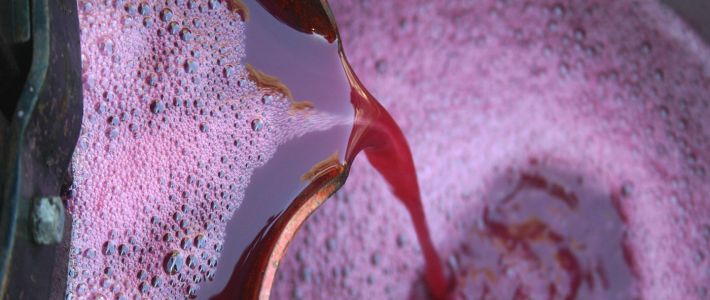 Natamycin Screen (Optional Quantification of Positive Result)Feras food testing abilities can highlight levels of Natamycin within a range of beverages, including wine. Natamycin (INN), also known as pimaricin and sometimes sold as Natacyn, is a naturally occurring antifungal agent produced during fermentation.
 Alcoholic Strength by VolumeFera’s food authenticity team can analyse alcoholic beverages to determine their alcoholic strength by volume, expressed as ‘% vol’ on product labels. This analysis can suit both beverages producers and retailers wishing to verify labelling claims.
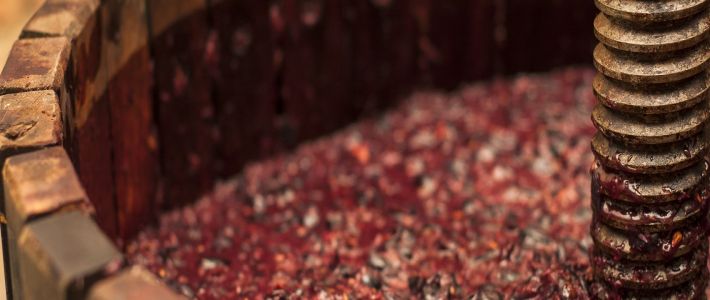 Free and Total Sulphur DioxideWhile naturally present in wine, sulphur dioxide (SO2) can also be added to wine during the pre bottling stage of production to preserve products during storage. Sulphur dioxide is subject to legal limits and requires specific mention on labels where levels exceed 10 mg/L