

What happens when you combine a world class agri-food lab, an internationally recognised kitemark and Scottish honey - a Scottish honey set to take on its global rivals. Read more

A Scottish honey is set to take on its global rivals after being revealed as a world-leading superfood in a recent scientific study. The Scottish Bee Company’s heather honey contains up to 10 times more of the essential micronutrient, manganese, compared to 200 of its global rivals. This unique Scottish honey is also amongst the world’s top manganese containing food products.
Read more

I am in my fourth year of studying towards a Master’s degree in Chemistry at the University of York, and chose to write my final-year research project while working in industry Read more
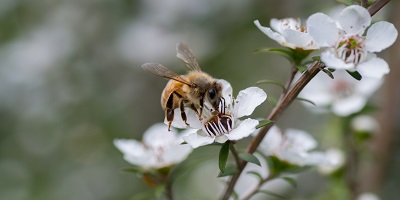
The Unique Manuka Factor Honey Association (UMFHA), the independent industry body for Mānuka honey, today announced that it has validated a number of unique signature compounds found only in genuine Mānuka honey. These findings are the result of over five years of scientific research with UK-based Fera Science and other international research contributors. Read more

Fapas, the proficiency testing arm of Fera Science Ltd, has launched a new range of allergen reference materials. The new materials will enable laboratories around the world to comprehensively evaluate and compare their methods and capabilities when testing food samples for allergens. Read more
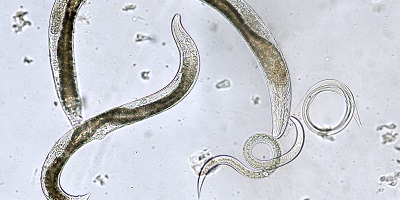
A seven-fold increase in soil samples testing positive for root-knot nematodes in cereals indicates that the pest may be more prevalent in the crop than previously thought, according to a leading expert at Fera. Read more
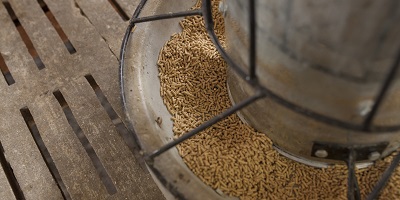
‘70% of consumers in the ProteInsect second survey said it was acceptable to feed insect protein to farmed animals’ - That’s the preliminary conclusion of PROteINSECT, three-year study of whether feed based on fly larvae could help mitigate environmental problems caused by the rapidly growing global demand for meat and fish. Read more

Farmers who use neonicotinoid seed coatings subsequently use less insecticide to control pests on oilseed rape, according to new research published by Nature. But the study also demonstrated that more honey bee colonies were lost as the usage of imidacloprid, a first generation neonicotinoid, increased. Read more