

Owning access to the right data is more than a nice thing to have; it is crucial to avoid being the victim of food fraud. Read more
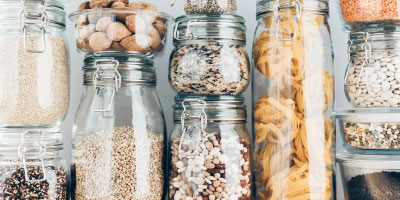
As concerns over climate change grow, the food and drink industry has been developing new food packaging to reduce the environmental impact of fossil-derived plastics. But it’s not always easy. Not only must they ensure these new materials are safe for food contact, they must also provide adequate barrier properties to protect the packaged foodstuff from the external environment. Read more

Food production is a complex process resulting in a significant number of chemical reactions. These reactions produce ‘compounds of interest’, on which regulatory authorities have set acceptable and unacceptable levels – often referred to as maximum residue limits (MRLs). Read more
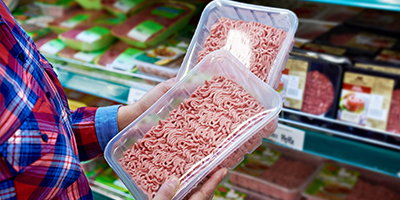
In recent years, the media has highlighted multiple examples of food being contaminated by what we call ‘food contact materials’ (FCMs). This definition includes packaging or any materials that can come into contact with food during its life cycle. Examples of contamination include bisphenol A and phthalates from plastic packaging and containers, primary aromatic amines from nylon kitchenware and formaldehyde from melamine kitchenware. Read more

The SFN recently hosted a virtual sandpit. During the event, Sandpit participants develop ideas for collaborative projects in response to food-related challenges and present their proposals to each other. Read more

Mass spectrometry (MS) in many different formats has been an essential tool for chemical and biological analysis for over 100 years, enabling vital breakthrough discoveries in fields ranging from nuclear research through to identifying novel biomarkers of cancer. Read more

Contaminants and metals can occur naturally or as a result of human intervention. Whilst metals are part of our every-day life and some can even play an essential part to our health and well-being the same cannot be said for contaminants. Read more

As consumers, we have the right to know what is in the food we buy and where our food is coming from. Yet today’s food chain is of unprecedented complexity and span, presenting greater risks in relation to safety and authenticity. So clear and correct labelling of food and drink products is vital. Read more

In a bid to mitigate associated health risks and to reduce children’s exposure to harmful contaminants, the European Commission imposed a maximum limit for inorganic arsenic concentrations for manufacturers to comply with.
Following recent testing on multiple rice varieties sold in the UK, researchers have found that half of the rice samples in the study exceeded the maximum arsenic limits for young children. Read more

Fera Science Limited’s proficiency testing group, Fapas® is making a significant contribution to help the Baby Food Council. Read more