

The safety of bio-based food contact materials has been examined in a new report produced for the FSA with the scientific work performed by Fera. Read more
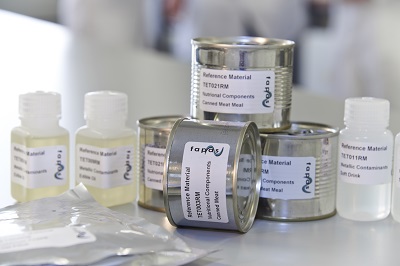
The new Fapas® 2020-21 Proficiency Testing Programmes feature 20 New tests including an expanded range of B vitamins in baby foods, metals analysis in soy lecithin, allergens (sesame and gluten) in cumin, and the enumeration of aerobic plate count (APC) and lactic acid bacteria (LAB) in fruit juice. Read more
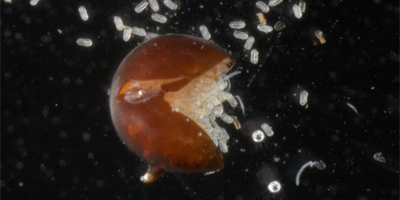
Earlier this year Fera’s Nematode team were entered into the Potato Review's first National Potato Industry Awards. Our submission for the Industry Innovation Award focussed on the fantastic work the team have done to set the UK service standards for Potato Cyst Nematode (PCN) testing, identification, viability and monitoring. Read more
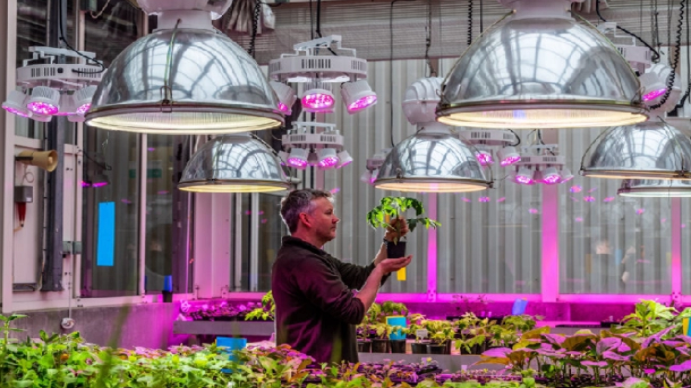
Leading translational science and research organisation, Fera Science Ltd, has released a new infographic detailing its plant metabolism study capabilities. The infographic, which provides information on the types of studies and the organisation’s experience in the sector, is available to download from the Fera Science website. Read more
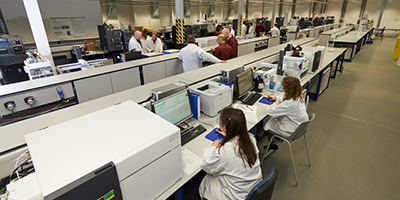
The Great British Brain Drain was a major reason for the creation of the economic north-south divide, which found many university cities losing their graduates to London, especially high achievers. Read more

Throughout the event the Fera team were inundated with growers wanting to know how we can help them keep one step ahead by identifying pests and diseases enabling action to be taken which will minimise yield loss, maximise margins and improve quality, and all of this sustainably. Read more

The UK’s love of wine is having a beneficial effect on imports and exports with the total value of wine exported from the UK totalling £574 million in 2017. This sector is currently the fastest growing UK export, having risen by 17% in value and 23% in volume since 2016. Read more
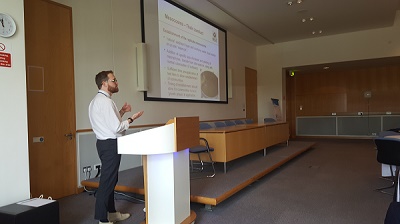
Creating a sustainable future - Fera Science is hosting an inaugural event on chemical safety. Plant protection products (PPPs) used in agriculture have doubled in numbers since the 1980s. Without them, the food safety of billions of people would be threatened. But the PPP chemical industry continues to face ongoing debate to ensure that these products raise the quality and yield crops with minimal impact on the surrounding environment. We’re ready to talk
Read more

The Scientific Advisory Committees advise on the development of policy issues that have major implications for public health and ensure that policy decisions are based on the most up-to-date science and evidence. The committees consist of a multidisciplinary team of distinguished experts with outstanding international reputations to ensure that the right science is being used, from the right sources, and that every scientific dimension is being looked at. Read more
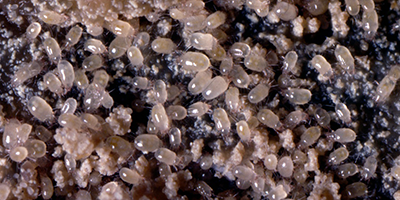
Mites are small, typically around 0.5mm and are translucent, making it difficult to detect especially at the early stages of infestation when numbers are low. They can survive for months under adverse conditions in cracks in floor and walls, and in processing and packaging machinery. Read more