
Our vision is to support our partners to respond to the challenges ahead like population growth, environmental change, food security and safety across the agri-food sector. Through world class innovation and original thinking in science we are constantly challenging if there is a better way to do things. Read more
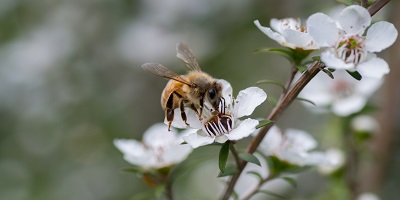
The Unique Manuka Factor Honey Association (UMFHA), the independent industry body for Mānuka honey, today announced that it has validated a number of unique signature compounds found only in genuine Mānuka honey. These findings are the result of over five years of scientific research with UK-based Fera Science and other international research contributors. Read more
Fapas, the proficiency testing arm of Fera Science Ltd, has launched a new range of allergen reference materials. The new materials will enable laboratories around the world to comprehensively evaluate and compare their methods and capabilities when testing food samples for allergens. Read more
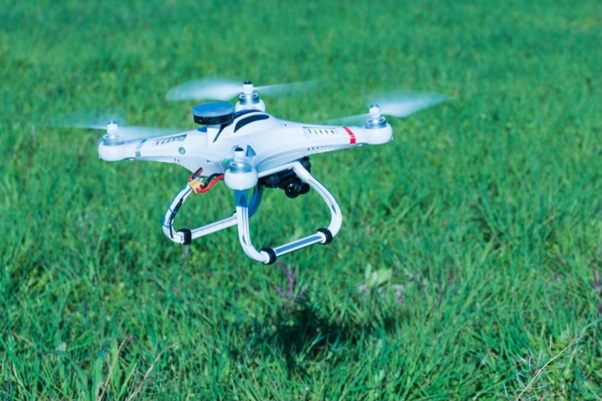
Paul Brereton looks to share his knowledge on turning data into decisions in the agri-food industry. Read more
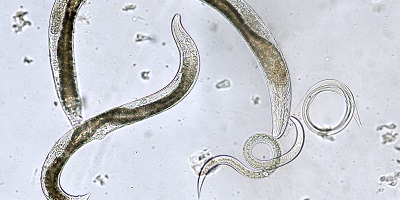
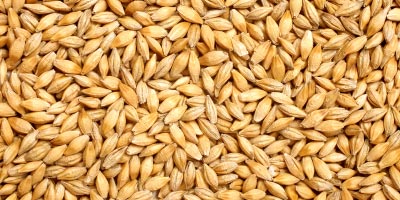
A seven-fold increase in soil samples testing positive for root-knot nematodes in cereals indicates that the pest may be more prevalent in the crop than previously thought, according to a leading expert at Fera. Read more
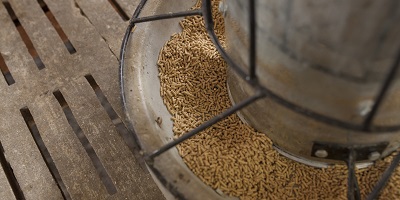
‘70% of consumers in the ProteInsect second survey said it was acceptable to feed insect protein to farmed animals’ - That’s the preliminary conclusion of PROteINSECT, three-year study of whether feed based on fly larvae could help mitigate environmental problems caused by the rapidly growing global demand for meat and fish. Read more

Fera became the first company in the UK to bring the ‘fingerprinting’ or full chemical profile technique to the food sampling arena, really challenging some of the issues being currently faced by the industry with regards to food fraud and authenticity. Read more

Farmers who use neonicotinoid seed coatings subsequently use less insecticide to control pests on oilseed rape, according to new research published by Nature. But the study also demonstrated that more honey bee colonies were lost as the usage of imidacloprid, a first generation neonicotinoid, increased. Read more

A global confectionery giant has confirmed that it is recalling some of its most popular chocolate products, due to potential presence of bacteria - citing the risk of Salmonella. The products affected have a ‘best-before’ date of either 6 May 2018 or 13 May 2018. Consumers are being warned not to eat the confectionery due to fears they may carry the potentially deadly bacteria. Apparently through their routine testing programme this issue was highlighted that detected the potential presence of salmonella from the ingredients used to make the chocolate. Read more

We play an integral role within the UMF®, providing high calibre testing to ensure the high quality of Manuka honey. Read more