

Antimicrobial resistance (AMR) is a global health threat that is becoming critically important in many aspects of society. AMR is the evolution of microbes to become resistant to the drugs we use to control them – often this refers to bacteria becoming immune to the effects of antibiotics, but it can have a much broader definition (such as fungi becoming resistant to fungicides). Read more
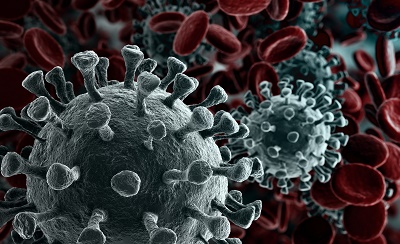
As the UK Government starts to slowly lift lockdown measures, at Fera we understand and recognise the importance of our role in continuing in providing responsive support services to all of our clients and partners, working nationally and internationally. Read more

As consumers, we have the right to know what is in the food we buy and where our food is coming from. Yet today’s food chain is of unprecedented complexity and span, presenting greater risks in relation to safety and authenticity. So clear and correct labelling of food and drink products is vital. Read more

As multiple altruistic businesses sought to assist in the fight against the COVID-19 global pandemic by diverting workforces to produce hand sanitisers concerns have been raised about the effectiveness but more alarmingly the safety of some of these products. Read more
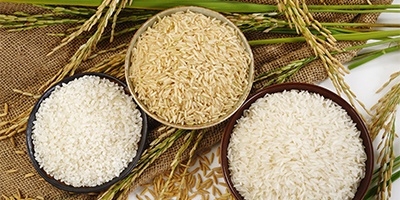
In a bid to mitigate associated health risks and to reduce children’s exposure to harmful contaminants, the European Commission imposed a maximum limit for inorganic arsenic concentrations for manufacturers to comply with.
Following recent testing on multiple rice varieties sold in the UK, researchers have found that half of the rice samples in the study exceeded the maximum arsenic limits for young children. Read more

When consumers are asked about contaminant risks in food, the usual concerns focus on microbes, pesticides or heavy metals such as lead. Plant toxins would probably not feature. After all, plant products are natural, so they must be healthy, right? Read more